23
Apr
Installations
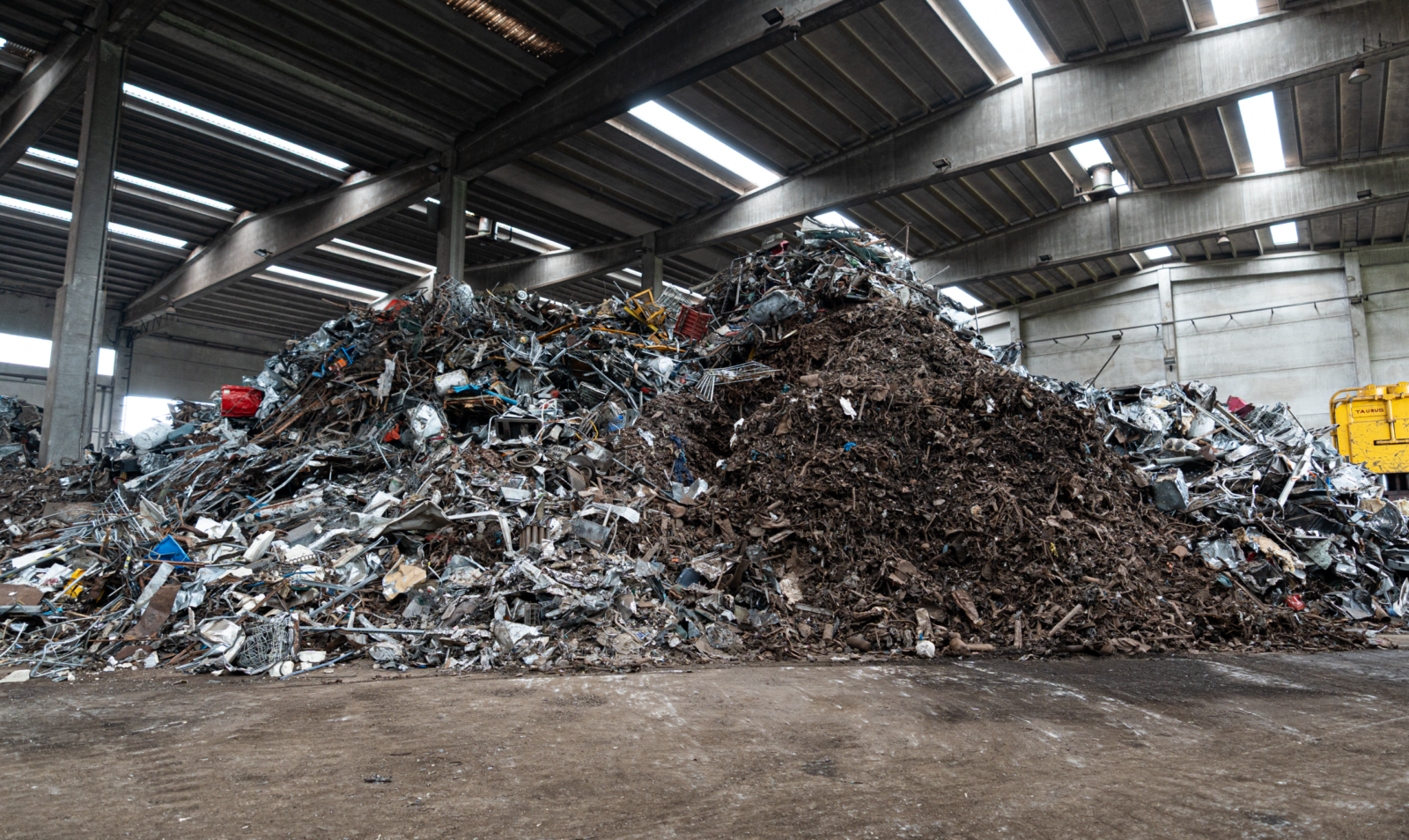
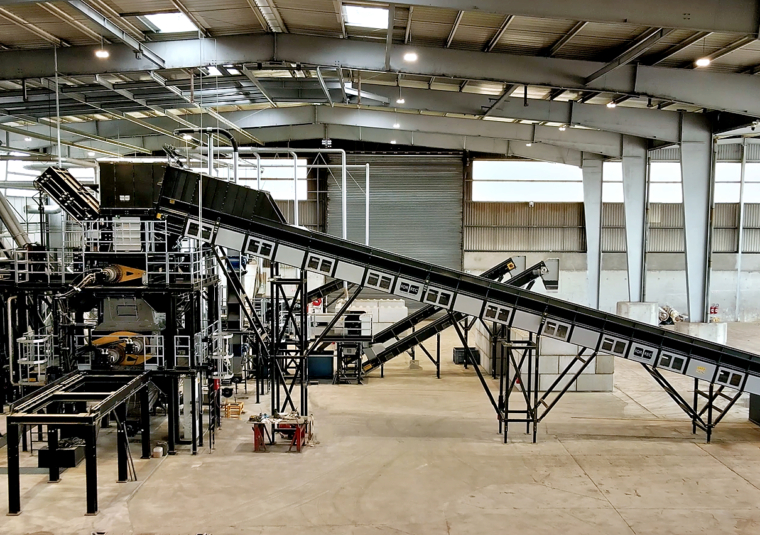
In the metal recovery sector, the difference between a standard plant and an excellent one is not measured solely by hourly capacity, but by the quality of the output material, operational continuity, and actual long-term operating costs. Guided by this philosophy, we have engineered a new recycling line for metal scrap processing 15-20 tons per hour, developed over an area of 1,200 square meters and designed to rationally integrate all process phases.
The client, a company specialized in the collection and commercialization of scrap, operates in a highly competitive market where the drivers of success are the rapid treatment of large volumes and the highest quality of the output fractions. The strategic objective of the project was therefore structured on three fronts:
Drastically reduce volumes to optimize logistics.
Separate and valorize every single metal fraction.
Minimize non-recoverable waste.
“Today, those operating in the scrap sector can no longer afford waste: every unvalorized kilogram represents a cost, as does every inefficiency – especially in a context of rising energy prices. Our lines are designed with precisely this goal: to maximize recovery while minimizing consumption, leaving nothing unused.”
Nicholas Zitella, Area Manager at FOR REC
The solution chosen by the client is a high-performance plant, divided into four steps:
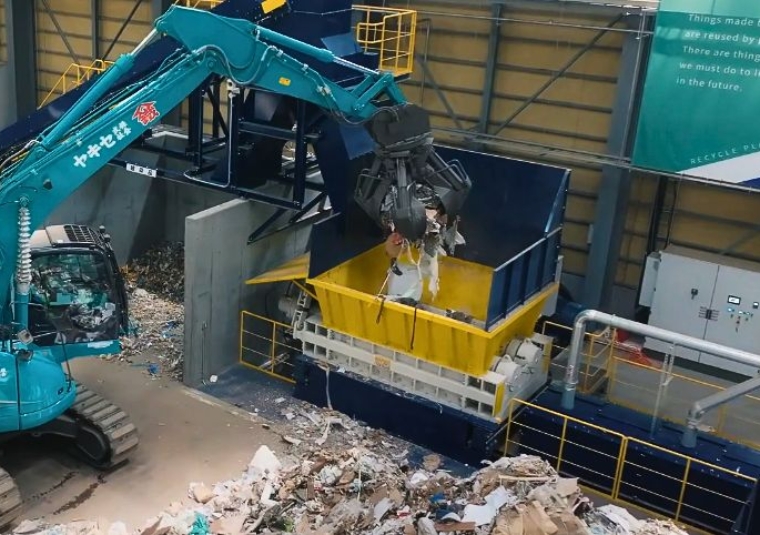
1.FX5000 shaft shredders: a double-shaft shredder with a power exceeding 500 HP, designed for heavy-duty processing, from pressed sheet metal to car bodies. The hydraulic configuration with four motors and four gearboxes guarantees high torque at low speed. The patented system of self-aligning interchangeable blades made of special steel ensures rapid interventions, drastically reducing downtime and producing a reduced and uniform output.
2.Z16 hammer mill: crushes the pre-treated material into small, homogeneous fragments. It is designed for simplified maintenance thanks to the hydraulic opening of the upper chamber and the lifting of the rotor without dismantling the main structure. It features a hydraulic door for the expulsion of foreign bodies, adjustable mobile armor, anti-vibration mounts, and a soundproofed cabin for noise containment. [VIDEO Z16 EMBEDDED] 600/100
3.Magnetic drum: the first separation phase that attracts and deflects ferrous metals. It generates a clean and uniform ferrous fraction, ready for direct reuse in foundries as secondary raw material.
4.Eddy current separator: treats the non-magnetic fraction. Exploiting electromagnetic induction, a high-frequency rotor generates eddy currents that repel non-ferrous metals (aluminum, copper, brass), cleanly separating them from inert, plastic, and rubbery residues, minimizing disposal volumes.
The combination of these machines has guaranteed:
Continuous productivity: constant operating cycle with minimized machine downtime.
Output value optimization: a more precise separation that allows selling the material at higher market prices.
Long-term reliability: robust 100% Made in Italy construction, designed to withstand severe operating conditions.
To understand the industrial context in which this plant was born, we interviewed Marco Zoccarato, CEO of FOR REC.
From a technical point of view, our machines share some fundamental principles:
extremely robust mechanical structure;
energy and production efficiency;
simplified maintenance, with easy access and components designed to minimize downtime;
modular flexibility, which allows configuring complete and scalable lines […];
separation systems designed to obtain very high-quality output fractions […].
What truly sets us apart is our engineering-driven approach: every plant is developed through an in-depth analysis of materials, application tests, and direct dialogue with the customer.”
3. In recent years, energy, operational, and maintenance efficiency has become a central theme in treatment plants. How do your machines respond to this evolution in demand?
“In recent years, efficiency has become a determining factor in the choice of plants: reducing consumption, operational continuity, ease of management, and the quality of the recovered fractions are now fundamental priorities. FOR REC technologies are developed precisely in this direction, integrating solutions that improve energy, operational, and maintenance efficiency. […] From an operational standpoint, we focus on easily accessible components, systems that reduce wear, and modular configurations that simplify management and minimize downtime. […] Regarding maintenance and operational continuity, we support our engineering approach with a structured service organization and scheduled maintenance programs […]. An additional strength is the availability of spare parts: thanks to our internal warehouse, we ensure the immediate availability of most components […] with worldwide deliveries in 24-48 hours. […] For us, efficiency means consistent performance, stable processes, reduced consumption, and controlled maintenance.”
Do you have a project in mind? Contact us today to find out how our solutions can improve your processes!