09
Oct
News

The recovery and valorization of metallic scrap represent a supporting pillar of the circular economy and industrial recycling. Reducing the dependence on the extraction of virgin materials is not only an ecological choice, but an economic necessity for modern industry. In this panorama, the treatment of ferrous and non-ferrous metals takes shape as a central phase: maximizing the efficiency of the separation and refining processes is the only way to extract real value from waste materials and transform them into high-quality secondary raw materials, suitable for transport and direct reuse in foundries and recycling plants.
When we talk about this industrial process, we refer to the set of coordinated mechanical operations that aim to receive, select, and transform metallic waste flows. Treatment lines must be designed to manage a huge heterogeneity of incoming materials, including:
The entire industrial cycle pursues three fundamental goals: the drastic volumetric reduction of the waste, the clear separation of the metallic components from foreign fractions, and the deep cleaning of the final product to obtain its maximum valorization on the market.

A high-performing metal treatment plant bases its success on a rigorous and optimized sequence of mechanical and electronic steps:
Why is the volumetric reduction of scrap considered the heart of the process? Drastically reducing the geometric size of the material brings immediate logistical and operational advantages: it optimizes storage in the yards, reduces transport costs linked to empty volumes and, above all, “frees” the different materials intimately bound to each other before the selection phases.
In this context, the shredding of metals requires the use of heavy-duty industrial shredders. These machines must be able to unleash extremely high torsional torques to process accumulations of mixed materials, metallic blocks, and voluminous waste without interruptions and in total safety.
Once the piece size is reduced, sorting technology comes into play, where the correct plant configuration makes the difference between a profitable plant and an inefficient one.

Working in the metal scrap treatment sector means facing severe plant challenges on a daily basis:
To overcome these criticalities and improve line performance, the engineering approach must focus on targeted solutions:
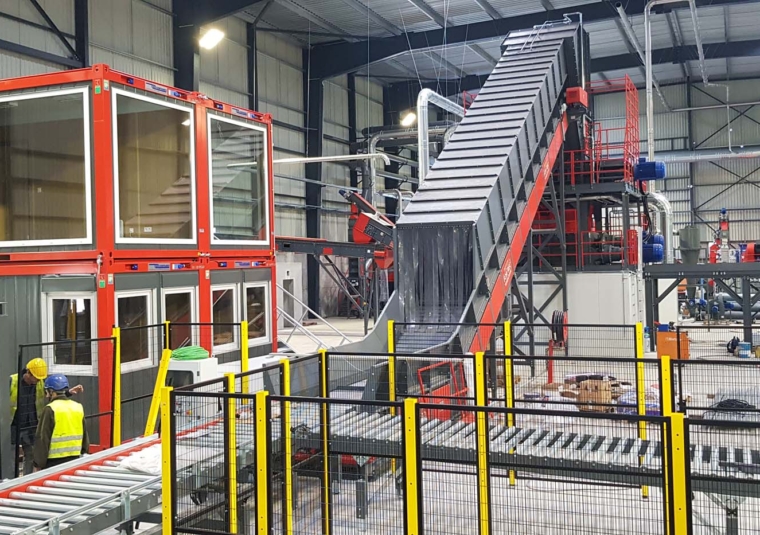
A modern metal recycling plant consists of specialized modules that work in perfect synergy:
Ultimately, success in the metal recycling process is not decreed exclusively by the quality or volume of the incoming material, but by the plant’s engineering capacity to know how to manage constantly variable and complex flows. A well-designed, robust, and flexible scrap treatment line is the only tool capable of guaranteeing companies a greater recovery of secondary raw material, a drastic reduction of waste to be sent to landfill, and an excellent operational continuity over time.

